What is tar and how does it form?
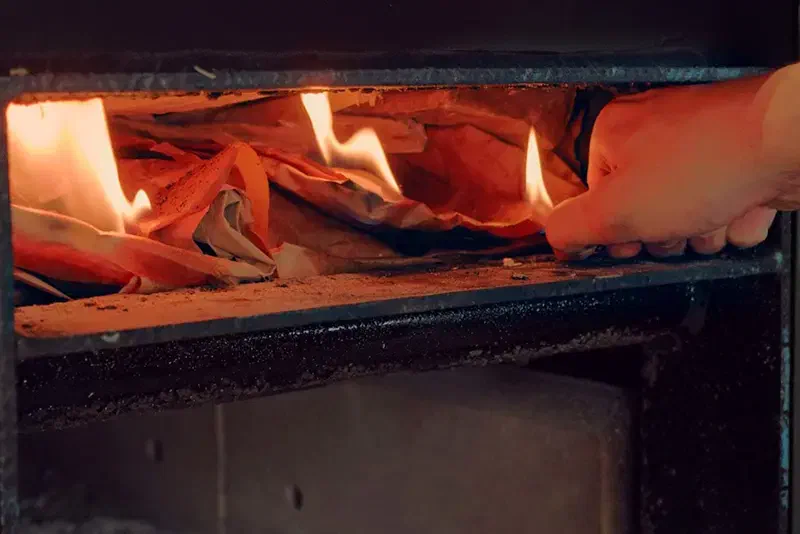
During the heating season, tar build-up in a boiler can cause problems. It is one of the consequences of incomplete combustion. Tar is a sticky, viscous and flammable substance produced by incomplete combustion, low flue-gas temperatures and fuel with high moisture content. Depending on how completely wood gasification takes place, solid particles such as soot and ash are formed; these are the main components of tar. The problem occurs when flue gases come into contact with the cooler walls of the boiler body and the tar settles on them. There are several possible causes, including insufficient boiler maintenance and cleaning and a boiler that is oversized for the building. If the causes are not addressed, tar can seriously damage the boiler and block its flue passages. In the worst case, deposits on the chimney walls can cause a fire. This article looks at the possible causes of tar formation and how to prevent them so that the boiler and chimney work properly and last longer.
What damage can tar cause?
A boiler coated with tar is easy to spot. Tar can damage all the important flue-gas paths in the boiler, including the heat exchanger, turbulators and fan. Removing it is very difficult. Several factors, or a combination of them, can contribute to tar formation. We explain the possible causes below.
Incorrect wood moisture content
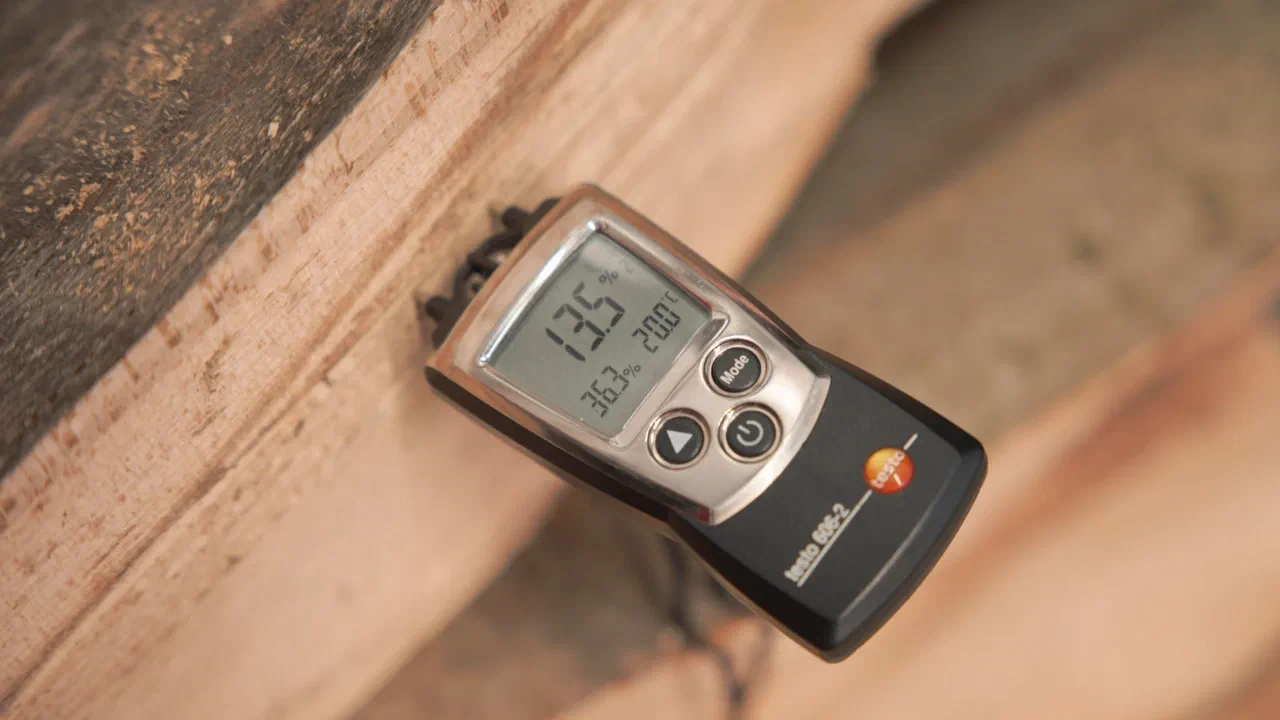
One of the most common mistakes is using wood with too much moisture. Freshly purchased firewood often has a moisture content of around 40–50%. Wood at this moisture level must not be burned in the boiler. Store it for at least one to two years before the heating season. The recommended wood moisture content is 12–20%. Wood below 12% moisture is over-dried and undergoing degradation, so it no longer has the right structure and properties. Wood with a moisture content above 20% produces tar when burned.
Incorrect chimney draught and dimensions
An incorrect chimney height or diameter can cause poor draught at the boiler and improper combustion, so the flue gases do not reach the required temperature. Incomplete combustion then leads to excessive tar deposits on the boiler and chimney walls. For correct boiler installation, follow the specified chimney requirements—height, diameter and draught—as listed in the operating manual. The chimney design must comply with the relevant standards and guidelines. Consult a chimney professional or heating-system designer about the chimney’s design and suitability; the designer addresses it in the heating-system plans.
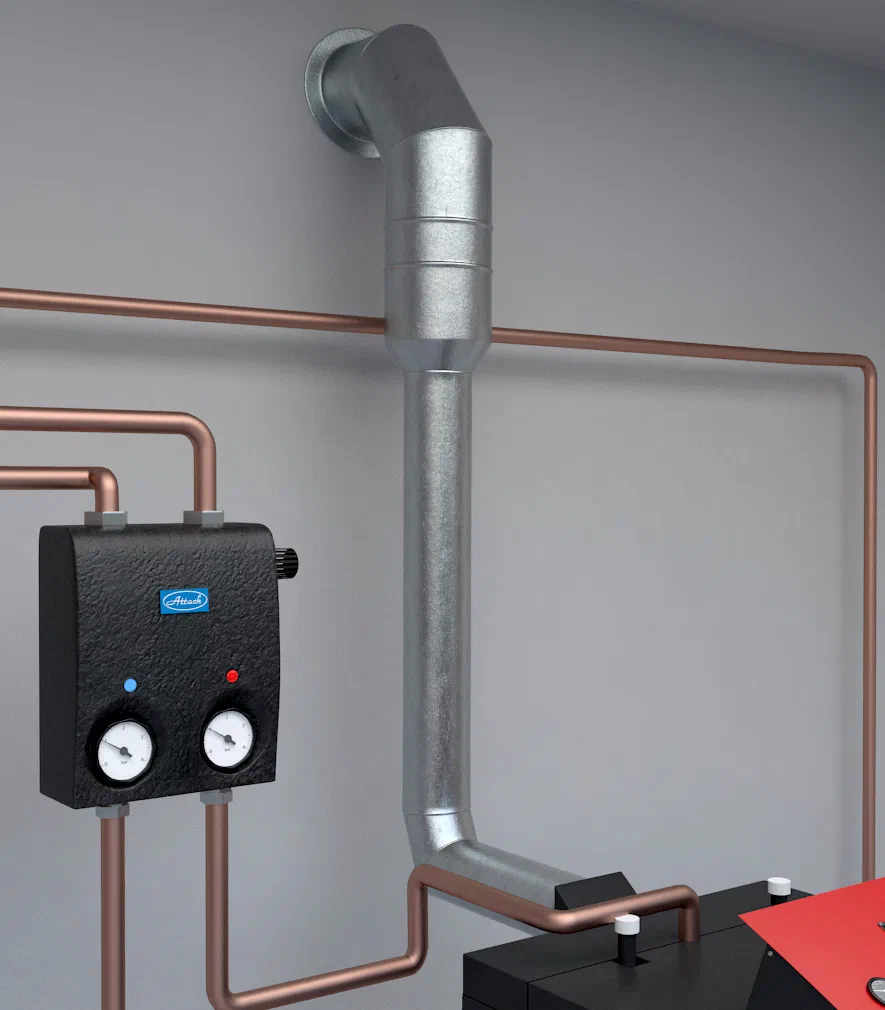
Chimney connected to the boiler
No buffer tank with an OVENTROP mixing unit
During normal operation, the boiler reaches its optimum flue-gas temperature and highest efficiency. Without a buffer tank, the boiler cannot transfer excess heat elsewhere and switches to reduced-output mode. It turns off the fan to prevent overheating and damage. This reduces draught in the boiler chamber, lowers the flue-gas temperature and increases tar formation.

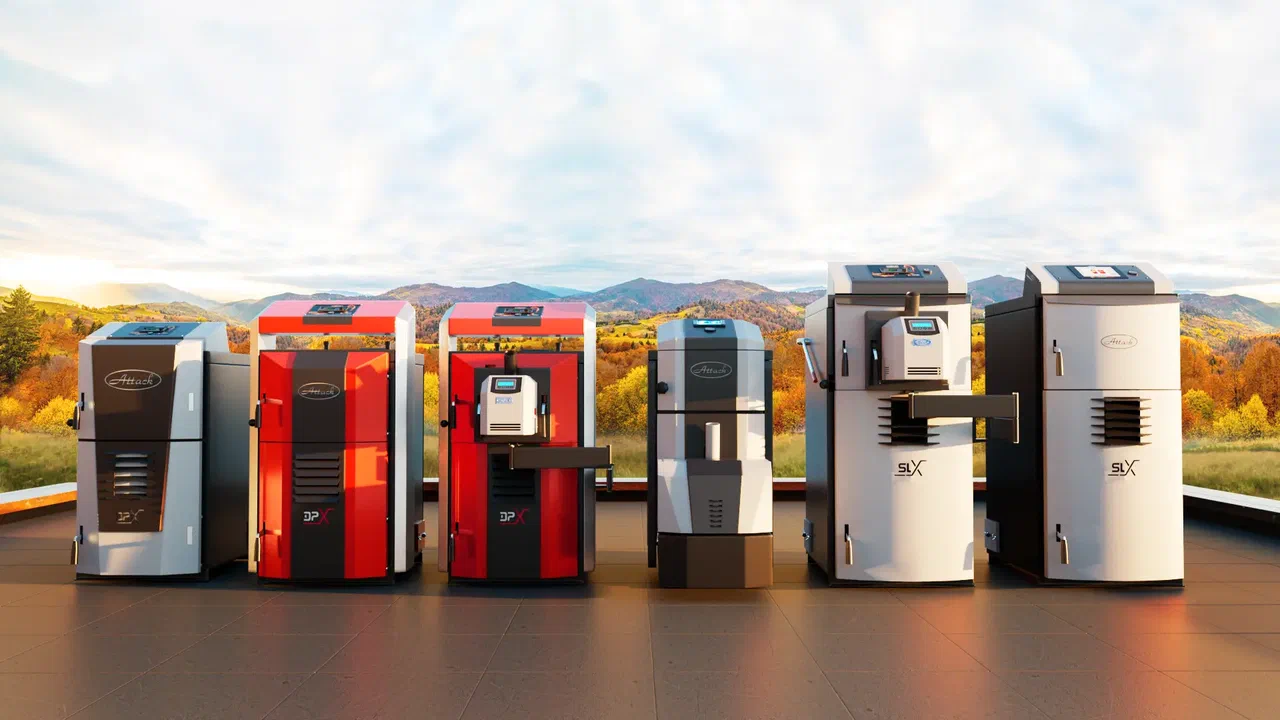
An ATTACK DPX boiler connected to an ATTACK Oventrop mixing unit and a buffer tank can significantly reduce tar formation by carrying away excess heat. The boiler can then continue operating with optimum combustion settings, regardless of the current heating demand. A designer determines the buffer-tank volume according to the boiler output and the size of the heating system. Depending on the home’s insulation and its space-heating and hot-water demand, energy stored in the tank can be used for several days. The ATTACK Oventrop mixing unit can significantly extend the boiler’s service life. It prevents the boiler from cooling down too much, which helps reduce tar formation.
Overheating the heating circuit
When a wood-gasification boiler is operated correctly and with foresight, the buffer tank does not overheat unnecessarily. As the fire burns out, the boiler continues to transfer some heat to the buffer tank, so take this into account before adding more fuel.
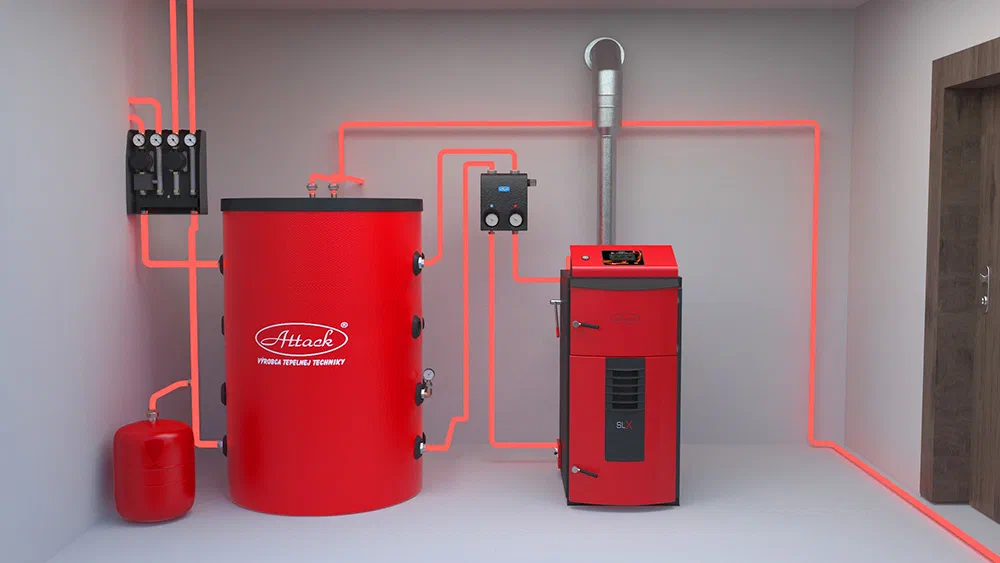
Illustration of an overheated heating circuit
Primary and secondary air dampers
A sufficient air supply is essential for proper wood gasification. On ATTACK wood boilers, the primary and secondary air supplies are adjusted separately. The correct settings are given in the operating manual. A service technician should adjust the air dampers using a flue-gas analyser. Contact the ATTACK service network for assistance.
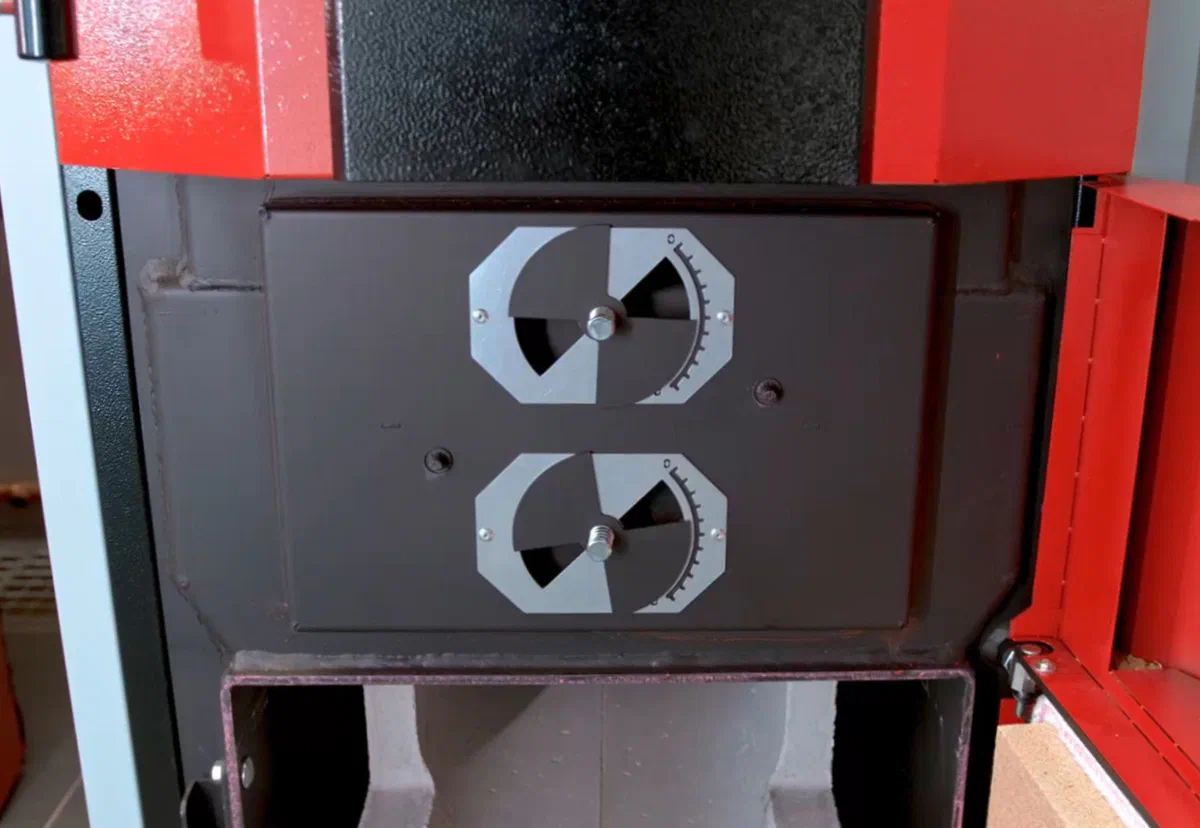
Protective features in ATTACK boilers
The ATTACK SLX has a dry jacket that helps manage the difference between high and low temperatures. It forms a thermal barrier between the two temperatures in the loading chamber, reducing the amount of condensed tar that settles on the combustion-chamber walls.